How Bromley council waste rules affect flower disposal BR1
Posted on 30/10/2026
If you have a wilted bouquet on the kitchen side or a pile of stems after a funeral, wedding, or birthday, the question is often surprisingly awkward: what do you actually do with the flowers? How Bromley council waste rules affect flower disposal BR1 matters because the wrong bin, the wrong bag, or a rushed decision can create extra mess, nuisance, and sometimes avoidable hassle. Truth be told, most people only think about disposal when the vase water has gone cloudy and the petals are dropping everywhere.
In BR1, the safest approach is usually to separate flowers from anything that could contaminate recycling and then choose the correct disposal route for the condition of the arrangement. That sounds simple enough, but there are a few local nuances to bear in mind, especially if the flowers came with foam, ribbon, cellophane, compostable wrapping, or sympathy tributes. This guide breaks it down in plain English, so you can act quickly without second-guessing yourself.
We'll cover what the council rules mean in practice, how to deal with fresh flowers versus mixed floral waste, where common mistakes happen, and when a local florist can make life easier. If you only need the short version: keep recyclable packaging separate, don't put floral waste into recycling unless the council explicitly says it is accepted, and make the disposal choice based on the material, not just the bouquet itself.
- Why it matters
- How it works
- Key benefits and practical advantages
- Who this is for and when it makes sense
- Step-by-step guidance
- Expert tips for better results
- Common mistakes to avoid
- Tools, resources and recommendations
- Law, compliance, standards, or best practice
- Options, methods, or comparison table
- Case study or real-world example
- Practical checklist
- Conclusion
- Frequently asked questions
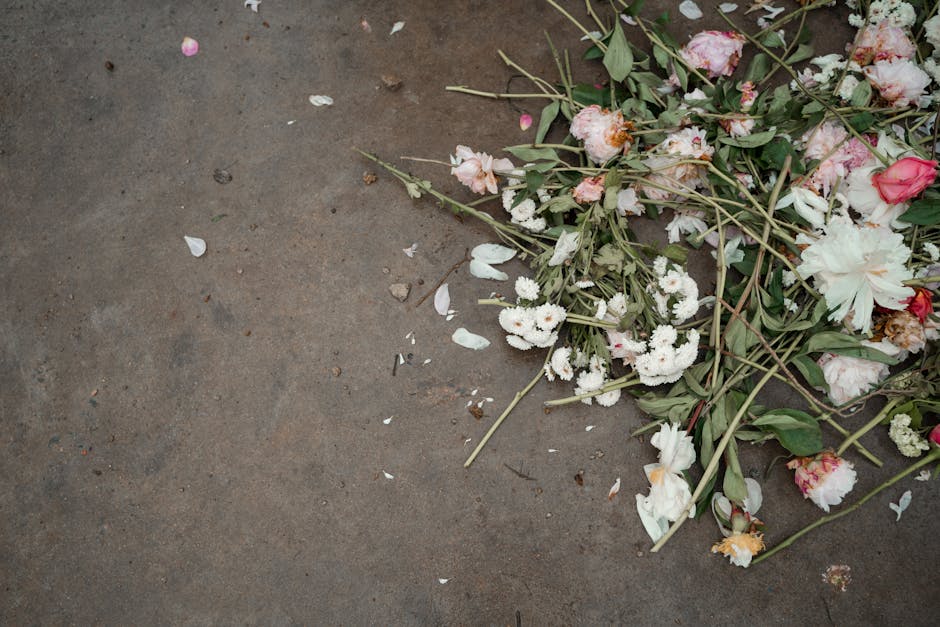
Why How Bromley council waste rules affect flower disposal BR1 Matters
Flower disposal sounds like a tiny household task, but it sits right at the intersection of waste sorting, cleanliness, and local compliance. In a busy part of south east London like BR1, bins fill quickly, collections are scheduled, and one wrongly sorted bag can make a small job feel annoying very fast.
The main issue is that flowers are not a single waste type. A bunch of roses might include biodegradable stems, water-soaked paper, plastic wrap, florist foam, ties, tags, and sometimes even metal or wire supports. Bromley council waste rules affect flower disposal BR1 because different parts of the arrangement need different treatment. Some parts belong in residual waste, some may be suitable for garden or food waste systems if accepted locally, and some should be separated for recycling or reuse only when appropriate.
There is also the practical side. Once flowers start decomposing, they smell. Not dramatically at first, but enough for you to notice in a warm kitchen, especially if you have left them in a vase for a few days too long. Leftover water, rotting leaves, and hidden bits of oasis foam can quickly turn into a mess that attracts fruit flies. Nobody wants that hovering about on a Friday evening.
And if you are handling tribute flowers after a bereavement, the emotional side matters too. People often want to do the respectful thing without overcomplicating it. A clear, local approach helps. You can keep the process dignified and practical at the same time.
How How Bromley council waste rules affect flower disposal BR1 Works
The simplest way to understand flower disposal is to think in layers. First, separate the flower material itself from any packaging. Then identify whether the material is compostable, recyclable, or residual waste. Finally, check the most sensible disposal route based on condition and local collection rules.
In practice, that usually means:
- Fresh cut flowers are typically treated as general garden-style organic waste, but local acceptance depends on the council collection system available to you.
- Dead flowers and stems are often suitable for the same route as other green waste, again depending on collection rules.
- Plastic wrap, cellophane, ties, and tape need removing before disposal.
- Floral foam should not be assumed to be compostable. It is a common trap, and it is usually best handled as residual waste unless a specific local system says otherwise.
- Ribbon, glitter, wire, and decorative items should be separated where possible.
If you are dealing with flowers from a vase, tip the water away carefully first. Do not just lift the whole arrangement and hope for the best. That never ends well. Remove the bouquet, shake out loose petals into the appropriate waste stream, and rinse the vase if needed. Small moment, big difference.
Bromley residents in BR1 may also want to think about the collection schedule. If a floral arrangement is not going out until the next bin day, store the waste in a tied bag or lined container so it does not create odour indoors. A simple paper bag can work for dry organic material, but only if it remains dry and does not fall apart. If you are unsure, use a stronger liner and keep the sorted materials together.
This is where a florist's care instructions can help too. After all, good flower care at the start often means less waste later. If you regularly send arrangements, it is worth reading the advice on flower care so you can keep blooms fresher for longer and reduce unnecessary disposal.
Key Benefits and Practical Advantages
Following the right disposal approach is not just about being tidy. There are a few practical wins that make a real difference over time.
- Less contamination in recycling bins and bags.
- Cleaner kitchens and living rooms, especially when flowers have been standing for several days.
- Less risk of odour and pests from decaying plant material.
- Easier collection because waste is already sorted in a way the crew can handle.
- More respectful handling of funeral or memorial flowers.
- Better sustainability when compostable plant waste is kept separate from mixed rubbish.
There is another benefit people overlook: clarity for the household. Once you know the rule of thumb, you stop hesitating. A half-filled vase on the side does not become a little source of stress every time you walk past it.
For people who send flowers often, especially for birthdays, anniversaries, or seasonal occasions, disposal habits also connect to buying habits. If you choose longer-lasting arrangements or care-guided options, you tend to throw away less. That can be a neat small improvement, nothing flashy, just sensible. If you like browsing by occasion, the birthday flowers and sympathy flowers selections are useful starting points when planning gifts that suit both the moment and the aftermath.
Who This Is For and When It Makes Sense
This topic is relevant to a wider group than you might think. It is not just for people clearing a vase at home. In fact, some of the most common scenarios are pretty ordinary.
- Households in BR1 dealing with day-to-day bouquet waste.
- Landlords and letting agents cleaning up after tenants leave flowers behind.
- Offices and receptions with regular flower deliveries.
- Event organisers managing wedding or party floral leftovers.
- Families handling funeral tributes and wanting to dispose of flowers respectfully.
- Small businesses that order floral displays for counters, waiting rooms, or client spaces.
It makes sense to pay attention whenever flowers arrive with mixed materials, when you are producing a larger volume of floral waste, or when the arrangement is part of a sensitive occasion. A single vase of roses is simple. A half-dozen tribute wreaths after a service is another matter entirely.
If you are ordering flowers for a ceremony or tribute, it helps to think ahead about what happens after the event. The design, packaging, and size of the display can make disposal easier later. Some people even prefer basket-style or vase-based arrangements because they reduce the amount of loose waste at the end. That is a small choice, but an intelligent one.
For larger occasions, browsing specialist categories such as weddings or funerals can help you match the arrangement to the event in a more thoughtful way, which often means less waste and less cleanup.
Step-by-Step Guidance
Here is the most practical way to handle flower disposal in BR1 without overthinking it.
- Remove the flowers from the vase or wrapping. Drain the water first. If the bouquet has been sitting for a while, do this over a sink rather than a carpet. Common sense, yes, but worth saying.
- Separate the materials. Put stems, leaves, and petals in one pile. Set aside plastic wrap, ribbon, tape, wire, foam, and tags.
- Check what is compostable or accepted in green waste. If you have a garden waste system or local organic collection, use it only for the items the council accepts. Do not assume all plant matter qualifies in the same way.
- Keep recycling clean. Only place clean, suitable packaging in recycling. Dirty cellophane or mixed materials usually cause more trouble than they solve.
- Bag residual waste securely. Anything non-recyclable and non-compostable should go into general rubbish in a closed bag.
- Clean the vase or container. A quick rinse is often enough. If it has been sitting with murky water for days, wash it properly.
- Put waste out on the correct collection day. That reduces smells and keeps your bin space under control.
If the flowers are part of a memorial or tribute, you may want to take a slower, more considerate approach. Some families keep a few blooms or ribbons before disposing of the rest. There is no universal rule there; it is about what feels respectful for the people involved.
One helpful habit: keep a small bag near the recycling bin for flower wrap, tags, and ties. It saves you from wandering around the kitchen with dripping stems in one hand and a strip of plastic in the other. Been there. Not glamorous.
Expert Tips for Better Results
If you want the process to feel easier every time, a few small habits go a long way.
- Choose simpler arrangements when possible. Less foam and fewer mixed decorations mean cleaner disposal later.
- Trim and refresh flowers sooner. Better care extends vase life and reduces waste.
- Keep a recycling "sorting spot". A shallow box or tray for ribbons, wrap, and tags can stop clutter spreading across the counter.
- Do not compost blindly. If you have a home compost heap, be cautious with treated flowers, florist foam, or anything with synthetic decoration.
- Think about moisture. Wet flowers in a sealed bag can smell far worse than dry stems. Drain them first if you can.
- Use the event type as your guide. Party flowers, office flowers, and funeral flowers often need slightly different handling.
There is also a purchasing tip that saves trouble later. If you know a bouquet will be on display for several days, it can help to choose hardier stems or florist selections that last better indoors. That is where browsing options like best sellers or luxury flowers can be handy, not for showiness, but because these ranges often include balanced, longer-lasting designs.
And if you are sending flowers regularly in BR1, using a local delivery page such as flower delivery in Bickley BR1 can be more convenient than chasing last-minute supermarket bouquets that fall apart in two days flat.

Common Mistakes to Avoid
This is where many households trip up. None of these mistakes are dramatic, but they do cause avoidable problems.
- Putting all floral waste into recycling. Plant material is not automatically recyclable, and dirty packaging makes things worse.
- Leaving flowers in the vase water too long. That leads to smell, leaks, and extra mess.
- Forgetting about foam and wires. These are easy to miss because they hide under petals.
- Assuming compostability without checking. Compostable-looking does not always mean compost-friendly in real collection systems.
- Mixing food waste, general rubbish, and flowers in one bag. It becomes harder to sort and can attract pests.
- Ignoring funeral or memorial etiquette. In sensitive situations, some families want to keep cards or select blooms first.
A smaller mistake, but a common one, is overcomplicating it. You do not need a perfect environmental audit for a dying bouquet. You just need a sensible split: keep the clean organic parts separate where accepted, and keep the rest out of recycling.
If a bouquet is large or awkward, break it down on newspaper or over a washable surface. It takes a minute, but it is a lot easier than scrubbing water and petals off the table later. Small win, no drama.
Tools, Resources and Recommendations
You do not need specialist equipment to dispose of flowers properly, but a few basic items make the job much easier.
- Kitchen scissors or secateurs for cutting stems and ties.
- A small waste bowl or tray to sort petals, ribbons, and wrap.
- Paper towels or an old cloth for vase water spills.
- A sturdy bin liner for residual floral waste.
- Reusable container or compost caddy if your local waste system allows organic scraps.
- Household gloves for thorny stems, heavy arrangements, or long cleanup jobs.
On the purchasing side, a few website pages can help you make more disposal-aware choices. If you want a thoughtful gift that also feels practical, browse flower care guidance first, then look at the actual product styles that suit your occasion. For more general ordering and service details, the delivery and guarantees pages are worth a quick look, especially if you want to know what happens if timing matters.
For business users, it can also help to understand options for recurring supply and account management. The corporate accounts page may be relevant if your office regularly receives floral arrangements and you want to streamline ordering, invoicing, and repeat deliveries. Less admin is always welcome, frankly.
Law, Compliance, Standards, or Best Practice
When people ask about Bromley council waste rules affecting flower disposal BR1, they are usually asking two things at once: what is allowed, and what is sensible. The honest answer is that local waste instructions can vary by collection type, and the safest habit is to follow Bromley's bin guidance for organic, recycling, and residual waste streams rather than guessing.
From a best-practice point of view, the key principles are straightforward:
- Do not contaminate recycling with soil, water, plant matter, or mixed decorations unless the local instructions clearly allow it.
- Keep organic material clean where possible if you are using green waste or garden-style collection.
- Dispose of non-compostable extras separately, including foam, plastic wrap, wire, and adhesive tape.
- Respect collection boundaries if a container or bag is full, leaking, or improperly sorted.
- Handle tribute waste with care, especially after funerals, anniversaries, or community events.
If you run a business or manage properties, proper sorting also supports a tidier site and fewer complaints from residents or visitors. A reception area with decaying flower water and loose petals on the floor sends the wrong message very quickly. You can probably picture it already.
It is also good practice to keep a short internal note on how your household or workplace handles floral waste. Nothing fancy. Just a few lines on where to put stems, packaging, and ribbons. That little bit of consistency helps more than people expect.
Options, Methods, or Comparison Table
Different flower disposal methods suit different situations. Here is a simple comparison to help you choose the least awkward route.
| Method | Best for | Pros | Watch-outs |
|---|---|---|---|
| Residual waste bin | Mixed bouquets, foam, ribbon, and non-recyclable leftovers | Simple, widely suitable, low risk of contamination | Can smell if waste is wet or left too long |
| Organic or green waste collection | Plain stems, leaves, and flower heads where accepted locally | Cleaner disposal for plant matter, often more sustainable | Not all councils accept all floral waste, especially mixed materials |
| Home composting | Untreated flower stems and petals | Low waste, useful for gardens | Do not compost foam, plastic, wire, or heavily treated blooms |
| Reuse or keep | Cards, decorative containers, reusable vases, sentimental blooms | Preserves memories and reduces waste | Requires a bit of space and decision-making |
For most BR1 households, the residual-waste route is the safest fallback if you are unsure. That said, if your local collection accepts suitable green waste, separating the plant material makes good sense. The point is not perfection. It is choosing the least messy, most responsible option available to you on the day.
Case Study or Real-World Example
A family in BR1 receives a mixed bouquet after a weekend celebration. By Tuesday morning, the roses are starting to wilt, the water has gone cloudy, and the wrapping has slipped under the vase. The temptation is to bundle everything into one bag and be done with it. Easy, but not ideal.
Instead, they take five minutes. They tip the water away, separate the stems from the plastic wrap, remove the ribbon, and set aside the florist card. The clean plant material goes into the appropriate organic stream they use at home, while the wrap and ties go into residual waste. The vase gets rinsed. Done.
The result is pretty unexciting, which is exactly the point. No smell lingering in the kitchen, no wet recycling, no confusion on bin day. One of those jobs that feels bigger in your head than it is in real life. That happens a lot with waste sorting, to be fair.
Now compare that with a funeral tribute. The family may decide to keep the cards and a few blooms, then break down the rest later in the day. That slower approach makes sense emotionally and practically. Using a dedicated funeral range such as funeral flowers in Bickley BR1 can also help because the arrangement style is usually more suitable for the occasion and easier to manage afterwards.
Practical Checklist
Use this quick checklist when dealing with flowers at home or at work in BR1.
- Drain vase water before moving the bouquet.
- Separate flowers from wrapping, ribbon, tags, foam, and wire.
- Keep recyclable packaging clean and dry.
- Do not assume all plant material can go in recycling.
- Use organic waste or compost only if the material is suitable and accepted.
- Bag residual waste securely.
- Rinse the vase or container after use.
- Store waste safely until the next collection if needed.
- Keep sentimental cards or keepsakes before discarding tribute flowers.
- Choose simpler arrangements next time if you want easier disposal later.
Expert summary: The best approach is usually simple: separate the bouquet into plant material and mixed packaging, use the right bin stream for each part, and avoid putting anything into recycling unless it is clean and clearly accepted. That one habit prevents most problems.
Get a free quote today and see how much you can save.
Conclusion
How Bromley council waste rules affect flower disposal BR1 really comes down to one practical idea: not all flower waste belongs in the same place. The blooms themselves, the packaging, the foam, the ribbon, and the vase water all need slightly different handling. Once you see that, the whole thing becomes much less confusing.
For most people, a simple routine is enough. Separate, sort, and choose the right bin stream without overthinking it. For special occasions, especially funerals and weddings, a little extra care goes a long way and helps the process feel respectful as well as tidy. In the end, that is usually what people want most: a clean finish and one less thing to worry about.
And if today's bouquet has already gone a bit past its best, don't panic. Just deal with it calmly, bit by bit. These small household jobs have a way of sorting themselves out once you start.
Frequently Asked Questions
Can I put flowers in the recycling bin in BR1?
Usually, no. Fresh flowers, stems, and leaves are not generally treated as recycling unless the local guidance specifically says otherwise. Mixed bouquets also contain packaging and moisture, which makes them a poor fit for recycling bins.
What should I do with dead flowers from a vase?
Remove the flowers from the water, separate any packaging, and place the plant material in the most suitable waste stream available to you. If you have an accepted organic or green waste option, use it for clean plant matter only.
Are flower bouquets compostable?
Sometimes, but not always. Plain stems and petals may be suitable for composting, while florist foam, plastic wrap, wires, tape, and heavily decorated arrangements are not. It depends on the materials used.
Can I compost florist foam?
No, not as a rule. Florist foam is usually not suitable for home composting and should not be assumed to break down safely in organic waste systems.
What do I do with the plastic wrapping around flowers?
Remove it first. Clean, suitable plastic may go into recycling if accepted locally, but dirty or mixed packaging is often best kept out of recycling and placed in residual waste.
How do I dispose of funeral flowers respectfully?
Many families keep cards, ribbons, or a few keepsake blooms before disposing of the rest. The main thing is to take your time, separate the materials carefully, and choose a disposal route that feels appropriate for the occasion.
Can I leave flower waste in the bin for several days?
You can, but it is not ideal if the waste is wet. Draining the water first and keeping the material bagged helps reduce smell and mess until collection day.
Do council rules treat wedding flowers differently from household flowers?
The waste rules themselves usually depend on the material rather than the event. But wedding flowers often include more mixed decor, larger quantities, and more packaging, so they need extra sorting.
What is the easiest way to avoid flower disposal problems?
Choose simpler arrangements, remove packaging quickly, and keep flower waste separate from recycling. That little routine solves most issues before they start.
Should I rinse the vase before putting it away?
Yes, ideally. A quick rinse prevents residue, smell, and stains. If the water has been sitting there for days, wash it properly rather than just swishing it once and hoping for the best.
Is there a best type of flower arrangement if I want less waste later?
Arrangements with less foam, fewer ties, and reusable containers are easier to manage afterwards. Vase-based or simpler hand-tied designs are often more straightforward to dispose of or reuse.
Where can I find more help choosing flowers that last well?
Looking at care guidance and product styles before ordering can help. Pages such as best flower delivery in Bickley BR1 and same day flower delivery in Bickley BR1 can be useful when timing and flower freshness matter.


